
Massage or Meditation? How to Choose the Kind of Rest Your Body Needs
Sometimes “I need to rest” is easy to say and surprisingly hard to interpret.
Do you need to lie down? Get a massage? Sit quietly? Take a walk? Turn off your phone? Spend ten minutes breathing without anyone asking anything of you?
The answer may depend on where you are feeling tired.
Physical tension can feel very different from a mind that will not slow down. Some days your shoulders, back, and legs may be asking for hands-on care. Other days your body feels fine, but your thoughts are still going long after the day is over.
Two practices people often turn to for restoration are massage therapy and meditation, and research suggests both can offer meaningful support.
The more helpful question may be: Which kind of rest fits what I am feeling today?
When Your Body Is Asking for Massage
Stress has a way of showing up in the body, even when we do not notice it right away.
Maybe your jaw has been tight all week. Your shoulders feel like they have slowly migrated upward. Your lower back is tired from sitting, standing, driving, working, hiking, gardening, or simply doing too much.
Sometimes we only realize how much tension we were holding when someone helps us release it.
Massage therapy works directly with the muscles and other soft tissues of the body. According to the National Center for Complementary and Integrative Health, massage is commonly used both for specific health concerns and for overall wellness. National survey data also show that massage use among U.S. adults more than doubled between 2002 and 2022, increasing from 4.8 percent to 10.9 percent.
Research suggests massage may be especially helpful for some types of neck, shoulder, and low-back discomfort. Studies have also explored its potential benefits for relaxation, mood, and anxiety in certain groups.
Massage may be worth considering when you notice:
Muscle tightness or soreness
Neck and shoulder tension
A tired lower back
Heavy or fatigued legs
Physical restlessness
Difficulty fully relaxing
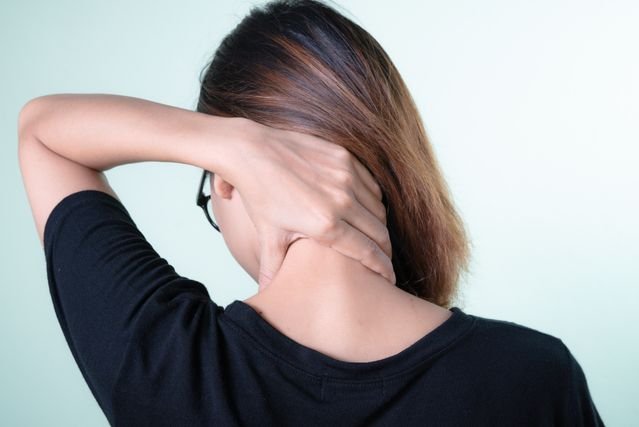
And beyond the physical benefits, there is something valuable about setting aside an hour where you are not answering emails, checking your phone, making decisions, or taking care of someone else.
You simply get to receive.
At Blissful Heart Wellness Center, our massage practitioners offer a variety of approaches so sessions can be shaped around different bodies, comfort levels, and intentions.
When Your Mind Is Asking for Meditation
Then there are the days when your body is sitting still, but your mind has absolutely no interest in joining you.
You replay something someone said. Think about tomorrow's schedule. Remember the thing you forgot to do. Pick up your phone, put it down, then somehow pick it up again five minutes later.
That kind of tired often needs a different kind of rest.
Meditation can help create a little more space between you and the constant stream of thoughts.
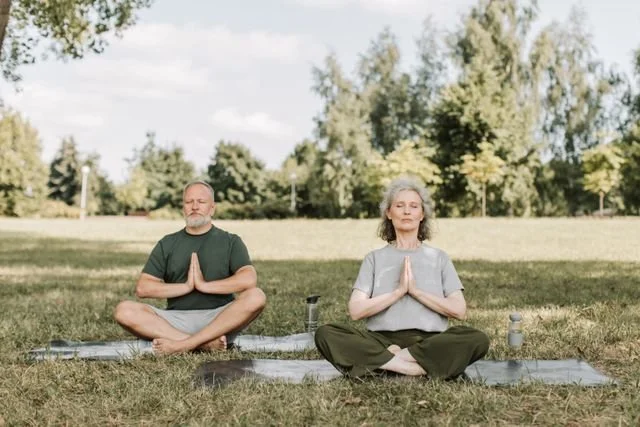
There are many ways to meditate, but most practices involve gently returning attention to something simple, such as your breath, a sound, a sensation, or the present moment.
And the research is encouraging.
A large analysis involving more than 12,000 people found mindfulness-based approaches were more effective than no treatment for anxiety and depression and, in that analysis, performed similarly to established evidence-based treatments.
Meditation may also support sleep. A review of 18 studies involving more than 1,600 participants found that mindfulness meditation improved sleep quality compared with education-based approaches, with results similar to established interventions such as exercise and cognitive behavioral therapy.
It has also become much more common. In 2022, 17.3 percent of U.S. adults reported practicing meditation, up from 7.5 percent in 2002.
Meditation may be worth exploring when you notice:
Racing thoughts
Mental overstimulation
Trouble focusing
Difficulty winding down at night
Constant planning or worrying
A craving for more quiet
And no, you do not need to sit cross-legged for an hour in total silence.
Five minutes counts.
Sitting in your car for a few quiet breaths before going inside counts.
Closing your eyes and noticing your breath before bed counts.
The practice can be much more approachable than we sometimes make it.
So, Massage or Meditation?
Try asking yourself one simple question:
Where am I holding the stress today?
If the answer is mostly in your body, massage may feel especially supportive.
If the answer is mostly in your mind, meditation may give you the pause you have been missing.
If the answer is both, you are allowed to need both.
Massage and meditation can complement each other beautifully. A massage may help your body settle enough for your mind to soften. Meditation may help you become more aware of tension before it builds into something harder to ignore.
And what you need can change from one week to the next.
Sometimes You Need Something Else
There are also times when massage or meditation is only part of the picture.
Maybe you are emotionally drained from caring for everyone else.
Maybe your eating and sleep patterns have been all over the place.
Maybe you feel disconnected from yourself and cannot quite explain why.
That is where other forms of support may come in.
Counseling can give you somewhere to talk through what you are carrying.
Nutrition support can help rebuild steadiness around meals, hydration, and energy.
Breathwork, Reiki, energy healing, hypnotherapy, journaling, or gentle movement may offer another way to reconnect and slow down.
Holistic wellness works best when it responds to the person in front of it rather than assuming everyone needs the same solution.
Try This 30-Second Check-In
The next time you catch yourself saying, “I am exhausted,” pause for a moment before automatically reaching for coffee, your phone, or another distraction.
Ask yourself:
Is my body tired?
Is my mind tired?
Am I emotionally tired?
What would actually feel restorative right now?
Then choose one small thing.
Stretch.
Book a massage.
Sit quietly.
Meditate for five minutes.
Drink some water.
Eat something nourishing.
Call someone who helps you feel grounded.
Go to bed earlier than usual.
Rest does not need to become another item you have to perform perfectly.
Finding the Kind of Care That Fits
There is no universal formula for restoration.
Some days your body wants skilled hands and a massage table. Some days your mind wants silence. Some days your heart wants support. Some days you may need all three.
At Blissful Heart Wellness Center in Bend, our community of practitioners offers massage therapy, licensed counseling and mental healthcare, nutrition support, meditation, breathwork, energy healing, Reiki, hypnotherapy, and other holistic wellness services.
As Self-Care Awareness Month approaches in September, this may be a good time to become a little more curious about what rest actually means for you.
Your body and mind may already be giving you clues.
Sources
National Center for Complementary and Integrative Health. Massage Therapy: What You Need To Know. https://www.nccih.nih.gov/health/massage-therapy-what-you-need-to-know
National Center for Complementary and Integrative Health. Meditation and Mindfulness: Effectiveness and Safety. https://www.nccih.nih.gov/health/meditation-and-mindfulness-effectiveness-and-safety
National Center for Complementary and Integrative Health. 8 Things to Know About Meditation and Mindfulness. https://www.nccih.nih.gov/health/tips/8-things-to-know-about-meditation-and-mindfulness
American Psychological Association. Stress Effects on the Body. https://www.apa.org/topics/stress/body